Eel Video Day 5-Eels at Risk
It’s Slippery Sunday and time for today’s eel video– EELS AT RISK. You can watch it here. Eels are a Threatened Species in Cape Breton and scientists here are determined to find out why. Parks Canada’s James Brigland, UINR’s Shelley Denny and CBU’s Katherine Jones tell us what they are learning from both science and...
Eel Video Day 1-Eel Habitat
UINR is releasing a series of ten short videos on the American eel. Every day, for the next ten days, UINR will release a new video and post its link here, on our Facebook page–UINRpage and on Twitter @UINR. Today’s eel video is EEL HABITAT–Where they live and all about eel lifestyle is the theme. Shelley...
Everything You Wanted to Know About Eels…
UINR is releasing a series of ten short videos on the American eel. Together, the series tells everything we know about the American eel in Cape Breton. Produced in cooperation with Parks Canada,scientists from UINR, Parks Canada and Cape Breton University, fishers, cooks and Elders from around Cape Breton tell stories of the eel’s fascinating...
Can salmon climb trees?
At first glance it might be difficult to see the connection between salmon and trees, but a project by Unama’ki Institute of Natural Resources–UINR, and Cape Breton Collaborative Salmon Initiative–CSI Cape Breton, hopes to change that. The partners are working on a cooperative salmon habitat restoration project that will see 2000 trees planted along the...
It’s all about the people: Allister Marshall
For such a quiet man, when it came to matters of the environment, Allister Marshall spoke with a very loud voice. Born in Potlotek, he spent much of his life in the community he loved, working as a Band Councillor and as a Guardian promoting conservation and protection for the community’s Fisheries Department, an appropriate...
One Tree at a Time
On Saturday September 22 the community of Membertou will be planting a forest! Community members will be planting trees that are native to Cape Breton in an effort to restore their forest environment. Mi’kmaq Environmental Learning Centre’s (MELC) UnamaKIDS received a grant to organize the project from Canon’s Take Root Program, presented by Evergreen. “Atknujik...
ATV Ban is on in the Pollett’s Cove Aspy Fault Wilderness Area
On the northern tip of Unama’ki, the adventurous will find an incredible landscape. From steep-sloped canyons to pristine barrens, the Pollett’s Cove Aspy Fault Wilderness Area is Cape Breton’s most northeastern representation of Canada’s boreal forest. Situated just north of the Cape Breton Highlands National Park, this provincial park offers rugged terrain, winding hiking trails,...
Mi’kmaq Ecological Knowledge, Distribution of Culturally Significant Plants
If you are interested in important Mi’kmaq plants, you’re going to want to check out “Mi’kmaq Ecological Knowledge, Distribution of Culturally Significant Plants”, our new publication identifying plants and their habitats. The report is part of an extensive study that maps out where plants are located. It’s the final report of our two-year long study...
What is killing our eagles?
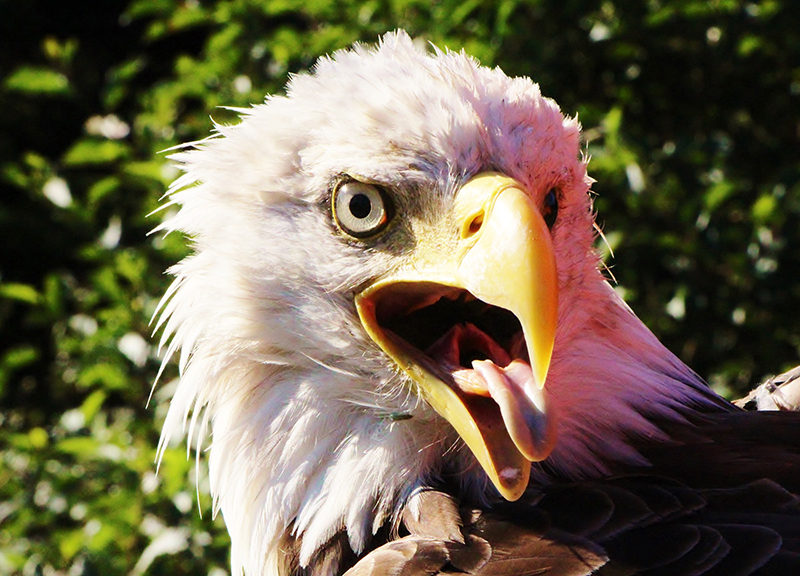
The next presentation in Wagmatcook’s Lecture Series on Thursday June 14 looks at an issue that is affecting the health of both wildlife and the people who eat from food harvested from the land. Kitpu, the eagle is a powerful and important symbol for Mi’kmaq people. Some Mi’kmaq believe that the eagle is the only...
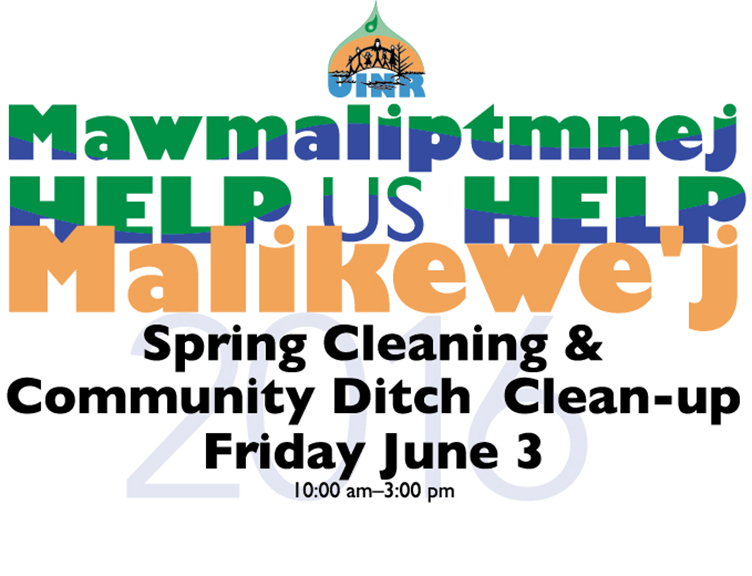
Mawmaliptmnej HELP US HELP Malikewe’j
UINR is organizing a cleanup of Malikewe’j on Friday May 25 and Saturday May 26. Have your large items out by Friday May 25 on the main road and cemetery Road. Community Ditch Clean-up Friday and Saturday from 10am–3pm. We will not be cleaning around cabins but you are welcome to use the dumpster or...
Please don’t burn grass!
It’s that time of the year again. While many people still feel that burning grass is good for the environment, it really isn’t. Check out UINR’s flier on the hazards and spread the word! Grass Fires Flier
Protecting eel habitat in Unama’ki
Fortunately, eels are still common in the Bras d’Or Lakes, especially outside Eskasoni. From May to October, eels are actively fished along the shorelines. For the other half of the year, they overwinter in barachois ponds and embayments common to the shores of the Bras d’Or Lakes. Often these areas are not considered important for...