Everything You Wanted to Know About Eels… LIVE!
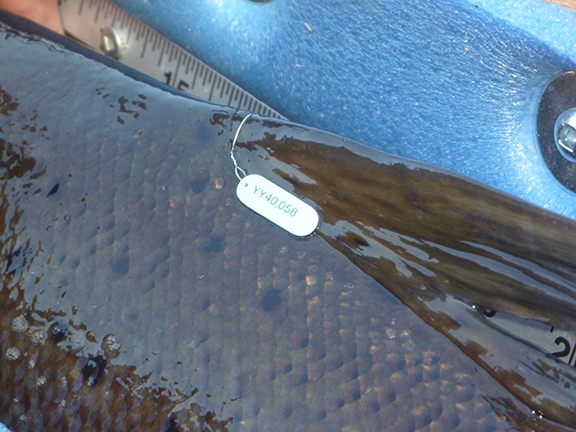
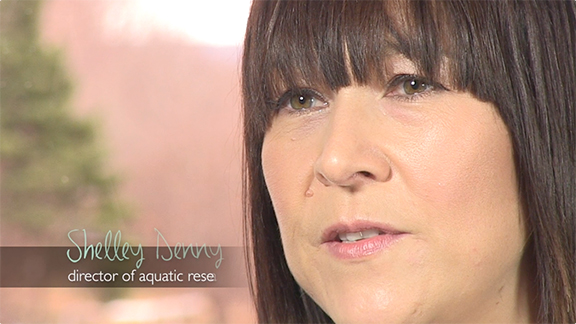
At the next Wagmatcook Lecture Series on Thursday June 6 we are presenting a series of ten short videos on eels and their importance in Mi’kmaq culture. The videos tell everything we know about the American eel in Cape Breton. UINR biologist Shelley Denny will be on hand with Mi’kmaq eel fishers Joe and Judy Googoo...
Eel Video Day 10-Winter Eeling
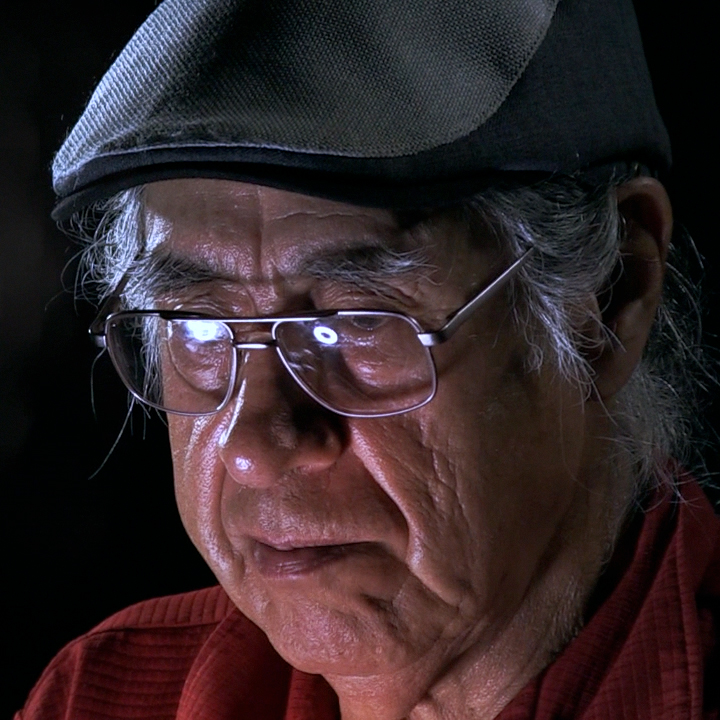
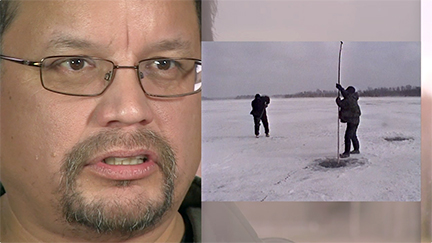
It’s time for today’s eel video– Winter Eeling. You can watch it here. This video shows how eel are traditionally speared during the winter. Eel fishers Kerry Prosper and John Sylliboy explain everything about winter fishing from digging through the ice to how to spear. UINR researcher Shelley Denny looks at some of the traditions...
Eel Video Day 9–Summer Eeling
It’s time for today’s eel video– SUMMER EELING. You can watch it here. This video looks at how eels are speared in summer. Mi’kmaq fishers Tracey Googoo, Charlie Joe, Kerry Prosper and John Sylliboy talk about summer fishing and why the tradition is so important. UINR’s Angela Denny, Lorraine Marshall and Shelley Denny talk about...
Eel Video Day 7–Commercial Eeling
It’s time for today’s eel video– COMMERCIAL EELING. You can watch it here. The commercial fishing of eel is a controversial topic to say the least. UINR’s John Couture joins Kerry Prosper, Winston Bernard, Charlie Joe Malikewe’j, Albert Marshall, and John Sylliboy in a discussion about the commercial eel fishery from several perspectives. They look...
Eel Video Day 5-Eels at Risk
It’s Slippery Sunday and time for today’s eel video– EELS AT RISK. You can watch it here. Eels are a Threatened Species in Cape Breton and scientists here are determined to find out why. Parks Canada’s James Brigland, UINR’s Shelley Denny and CBU’s Katherine Jones tell us what they are learning from both science and...
Eel Video Day 2-Eel Lifecycle
Today’s Eel video is EEL LIFECYCLE. You can watch it here. Eels can live to over 40 years and have a unique and complex lifecycle, starting life down south in the Sargaso Sea and finding their way to live and mature in Cape Breton lakes and rivers. Parks Canada Ecologist James Brigland joins UINR’s Shelley...
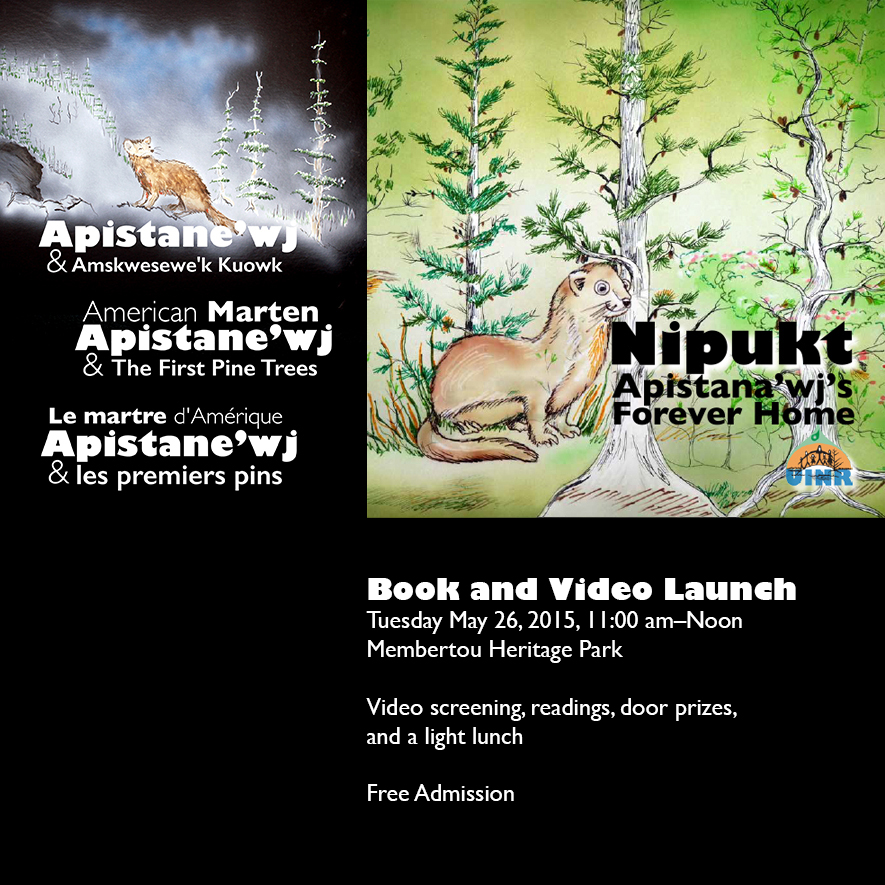
New Issue of UINR Marten now Available
The latest issue of UINR Marten, our 30th, is now available for a free download here. This issue is packed with information on UINR’s activities and resources, everything from information of identifying salmon to news on the Golden Award winners. This issue’s It’s All About the People features a profile on UINR’s Commercial Fisheries Liaison...
Training for CAPTAINS and FIRST MATES
Training for CAPTAINS and FIRST MATES on the identification, handling and release of marine animals considered species-at-risk such as marine mammals, sharks, wolffish and sea turtles. Presentations will be given by the Canadian Sea Turtle Network, Marine Animal Response Society and the World Wildlife Fund. MEMBERTOU and POTLOTEK–Membertou Trade and Convention Centre, Tuesday February...
Kataq: Journey of Our Eels
A new children’s book was published today that tells the story of a Cape Breton eel from a Mi’kmaw perspective. Kataq: Journey of our Eels is illustrated by well-known artist Dozay Christmas and is written by Angela Denny and Shelley Denny of the Unama’ki Institute of Natural Resources. The book is in English with side-by-side...
Special Mi’kmaq plants
Plants have always been an important part of Mi’kmaq tradition, not just for food but as cures and prevention for many common ailments. Today it is not unusual to see Mi’kmaq Elders picking sweetgrass for ceremonies and other plants as cures for everything from stomach cramps to relieving the symptoms of the common cold. UINR...
Marten matchmaking
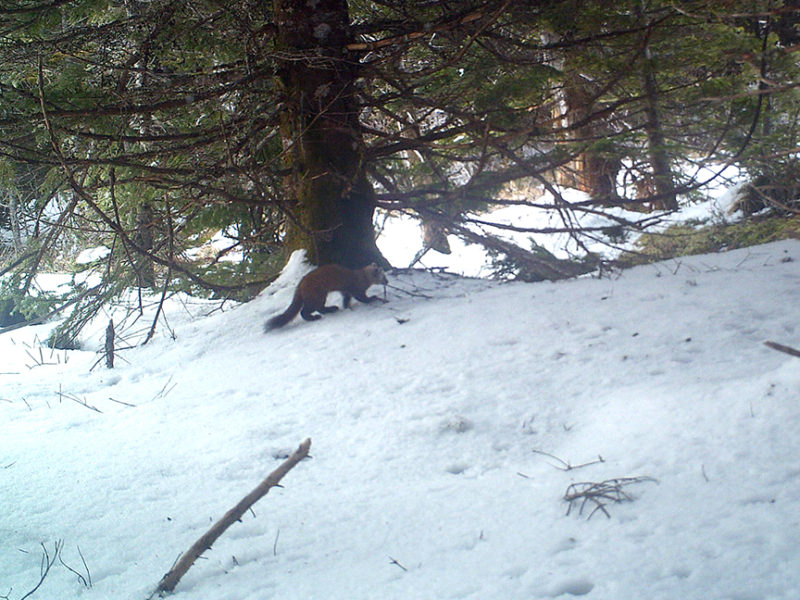
The dating pool for American Marten in Unama’ki just took a leap forward with the release in the Highlands of five animals that were recently trapped in northern New Brunswick! Lending a hand in the matchmaking were UINR staff members, Clifford Paul and Blair Bernard, along with representatives from Parks Canada and Nova Scotia Department...
Marten comeback
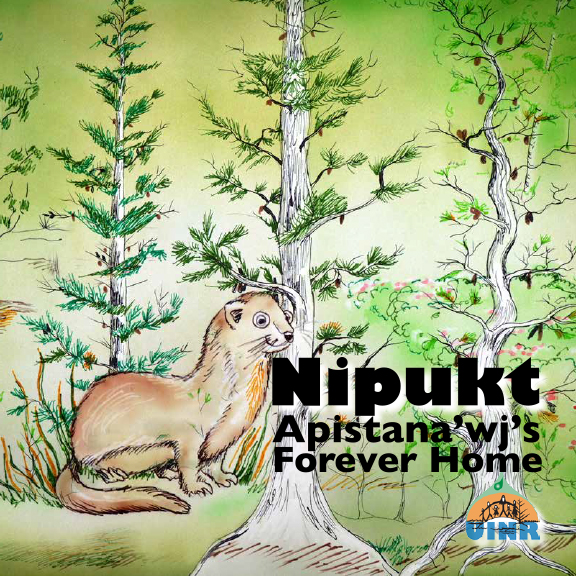
Early records estimate that over a thousand marten lived in Unama’ki in the late 1800s. For many years considered to be extinct here, we now know that there are considerably less than 100 martens in Unama’ki. A combination of over-trapping and loss of forest habitat forced the remaining marten into remote areas of the Highlands...